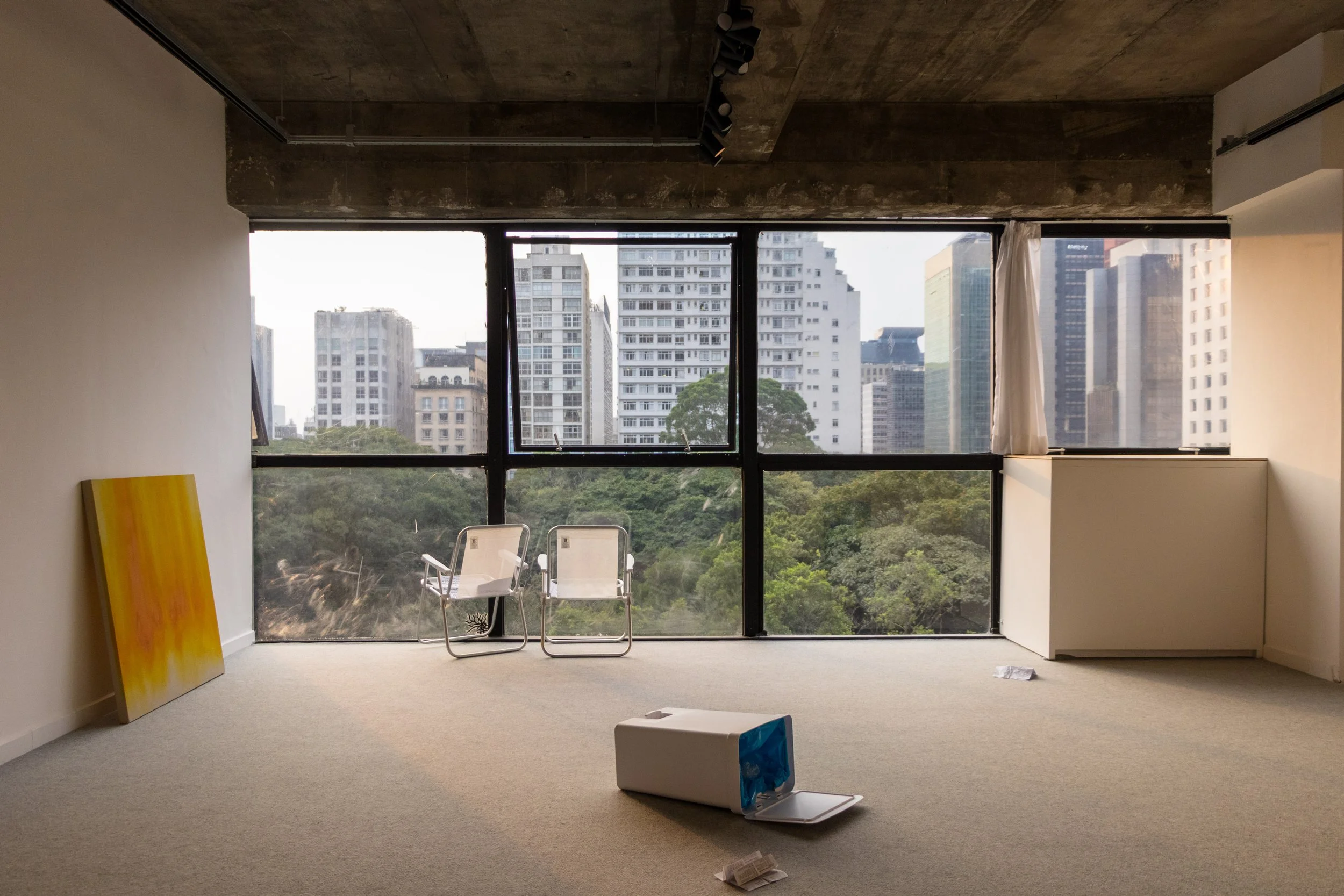
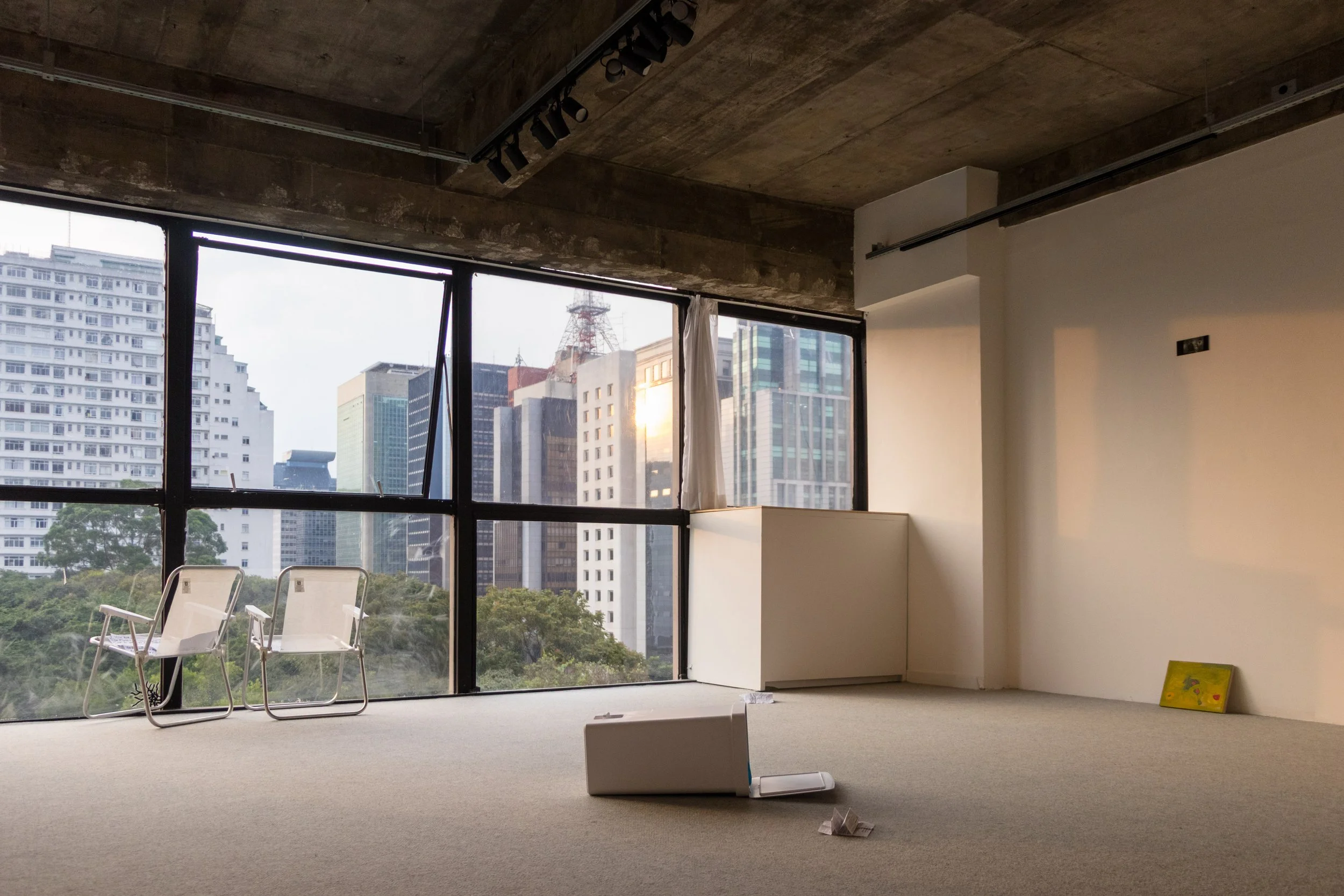
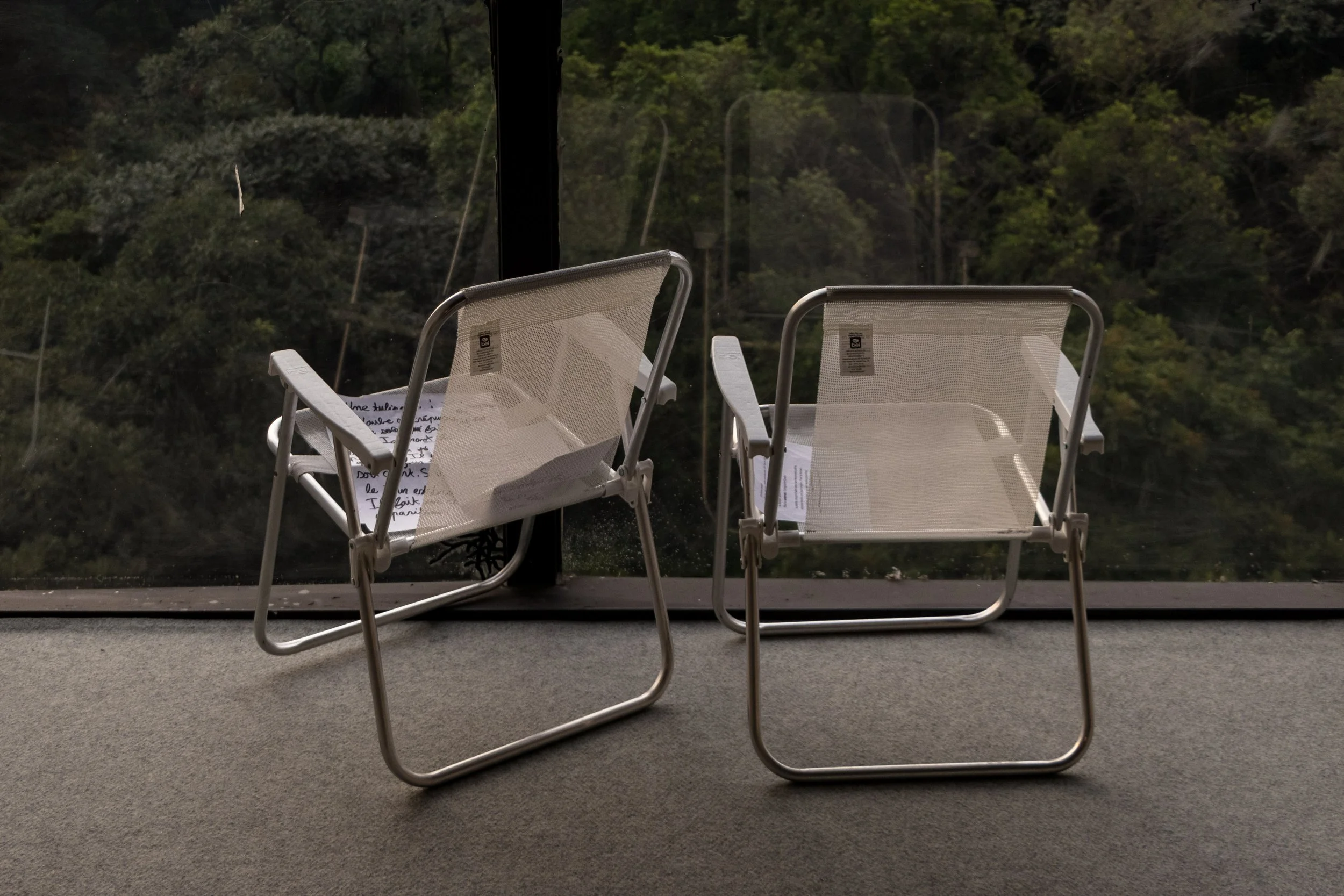
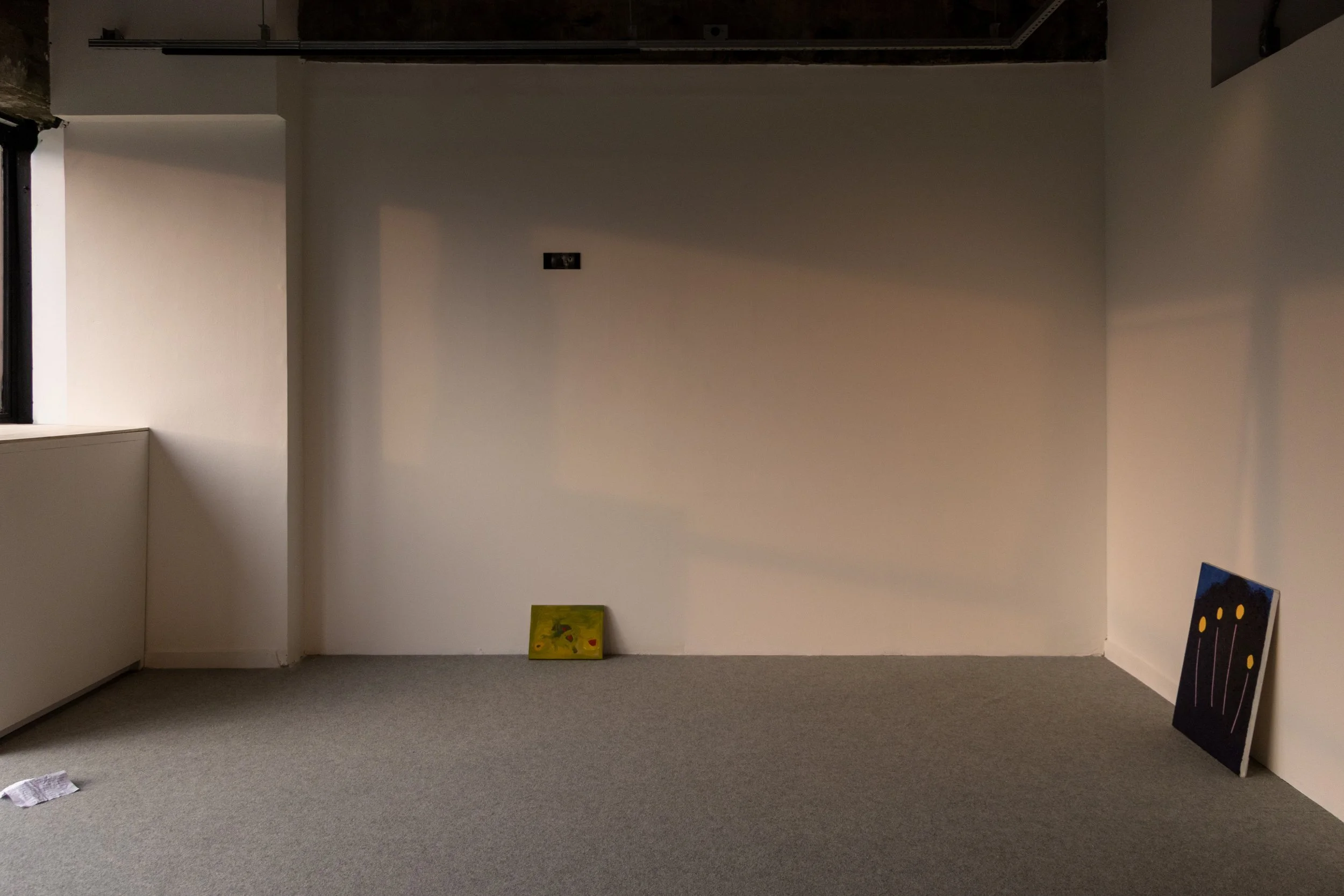
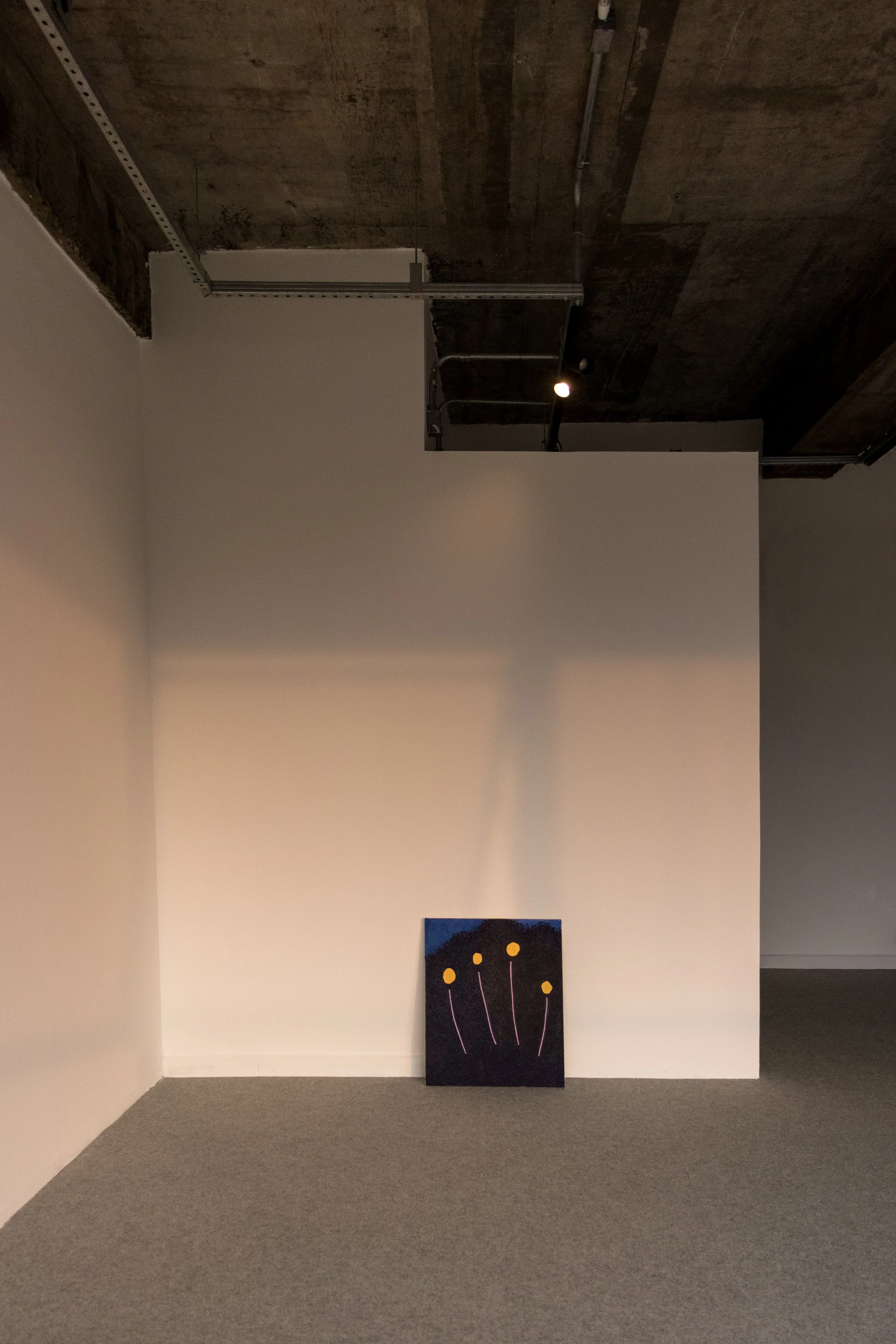
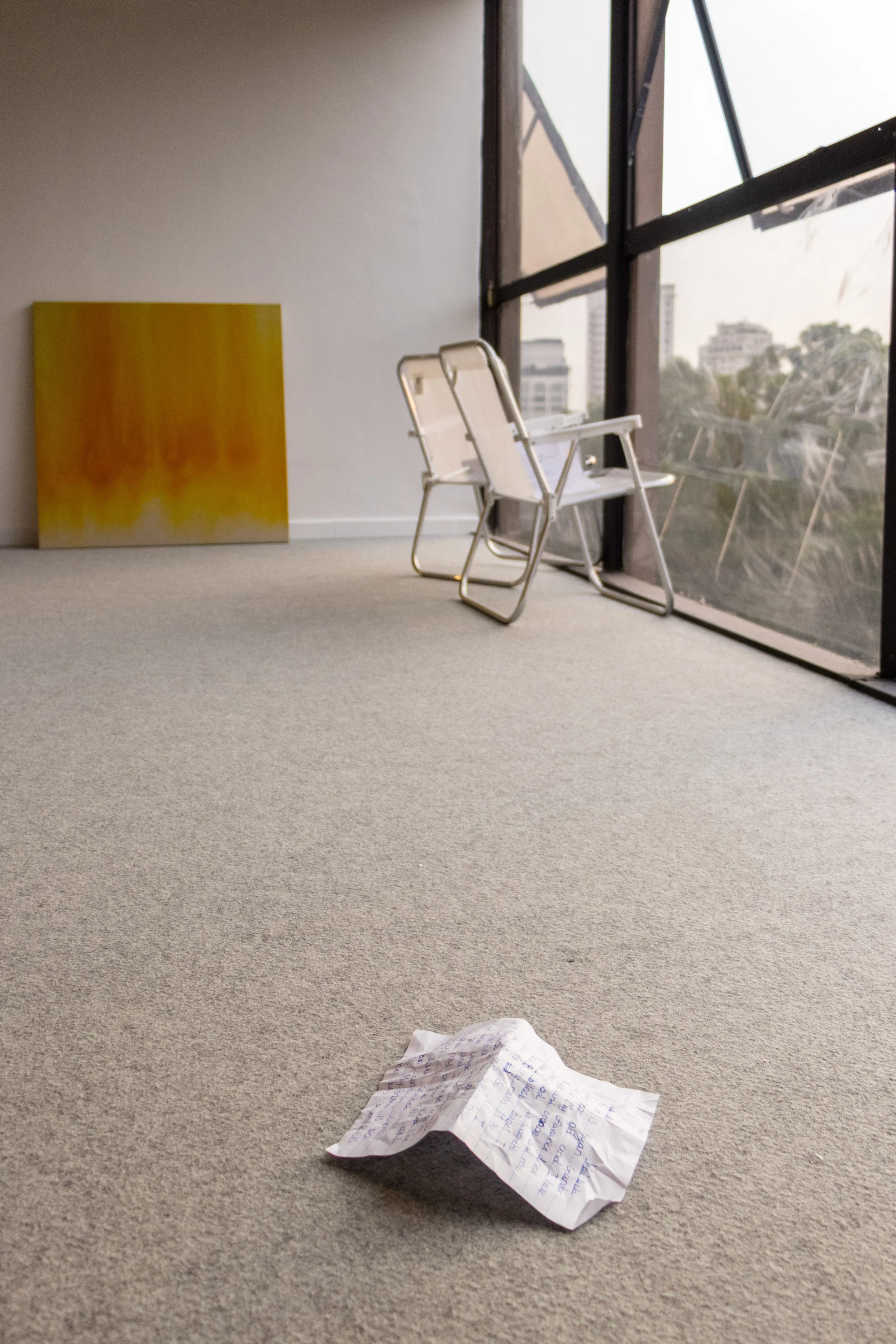
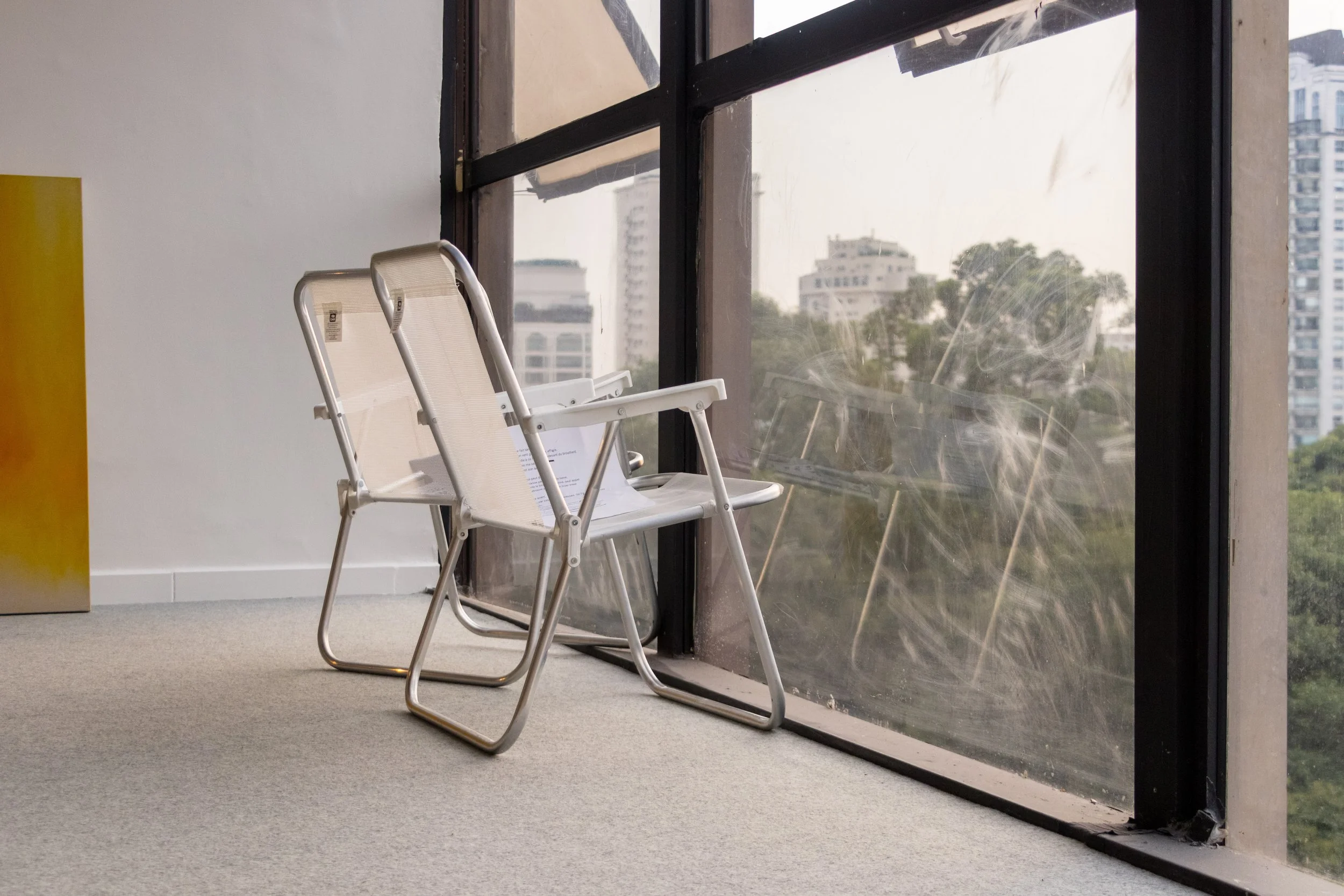
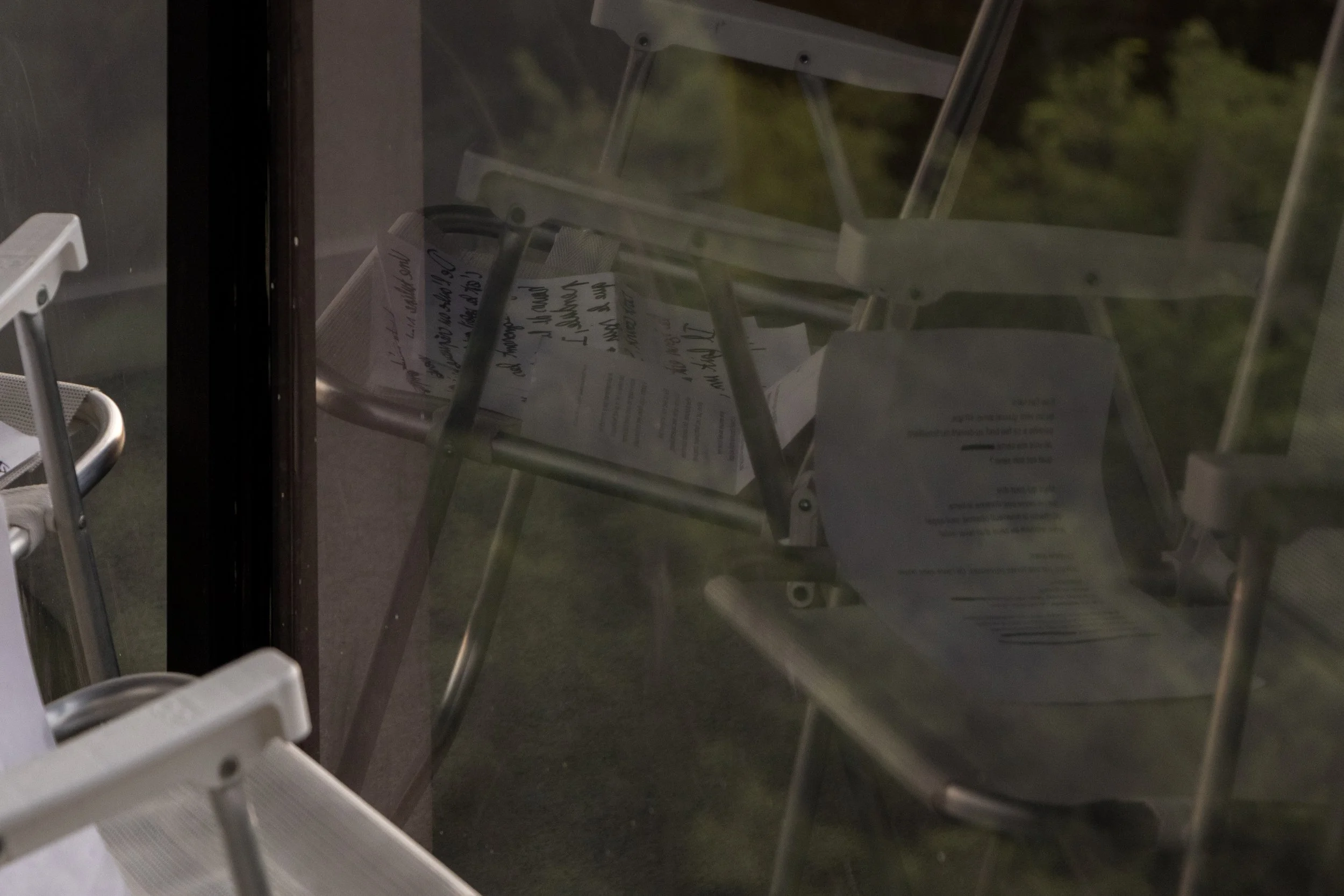
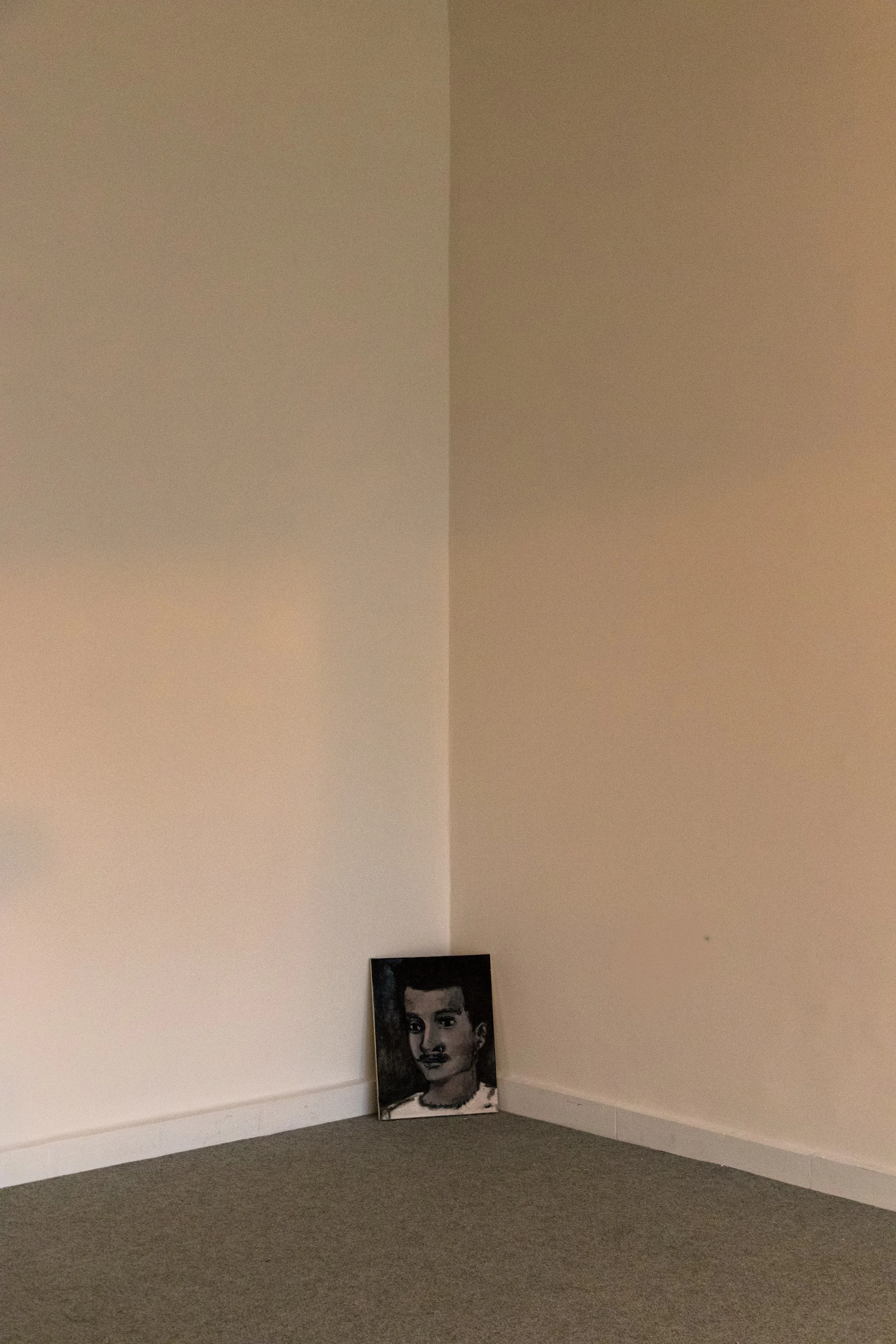
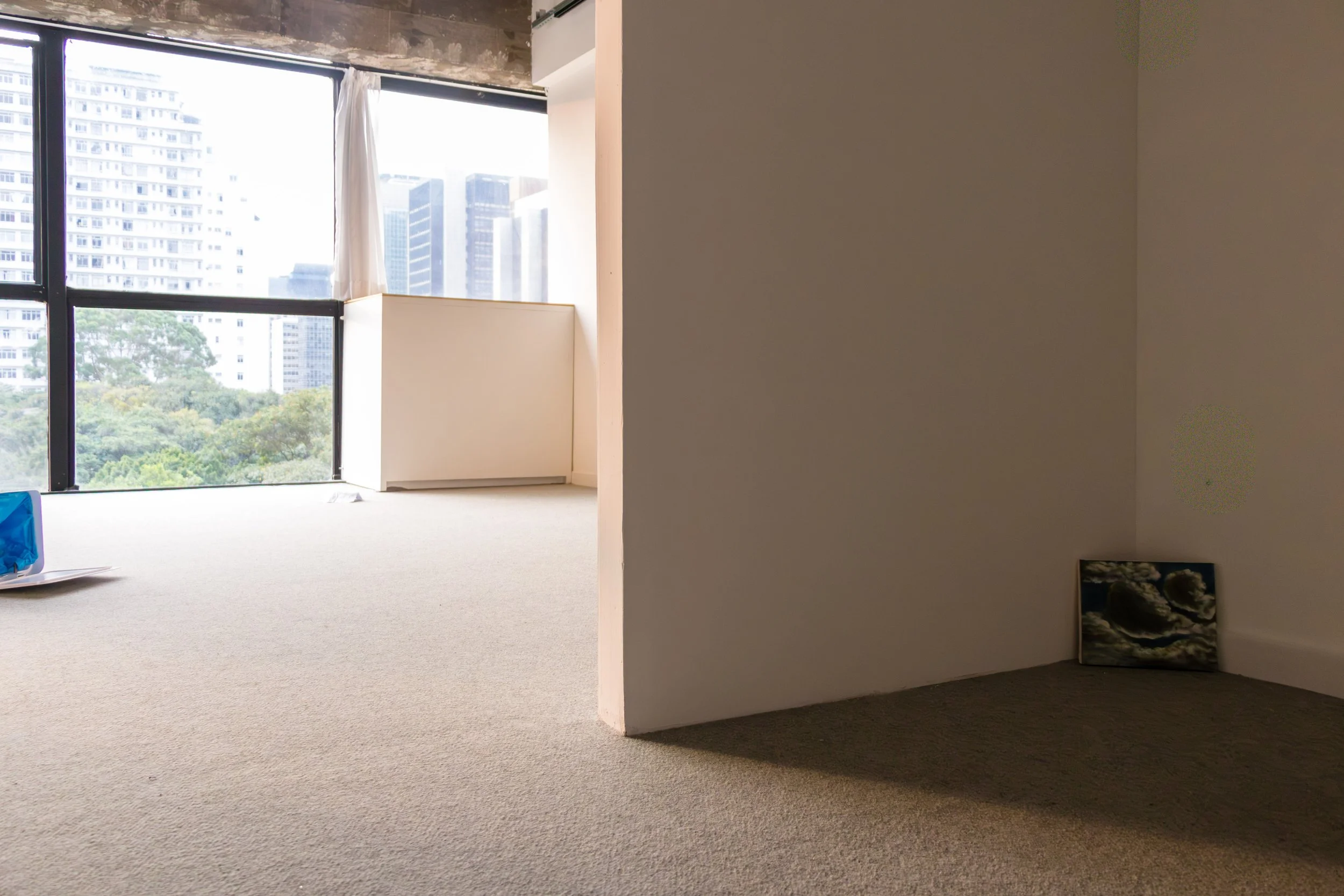
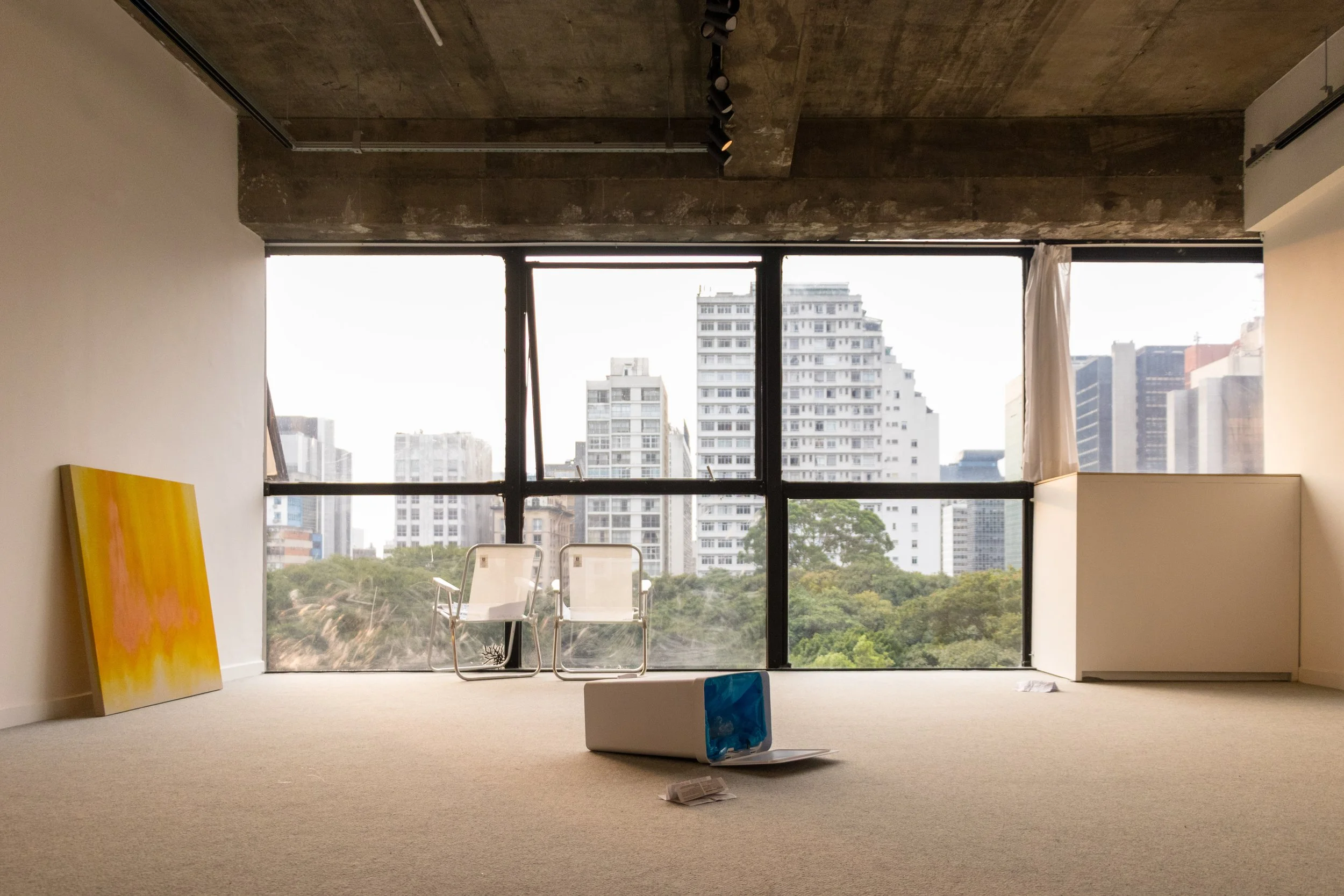
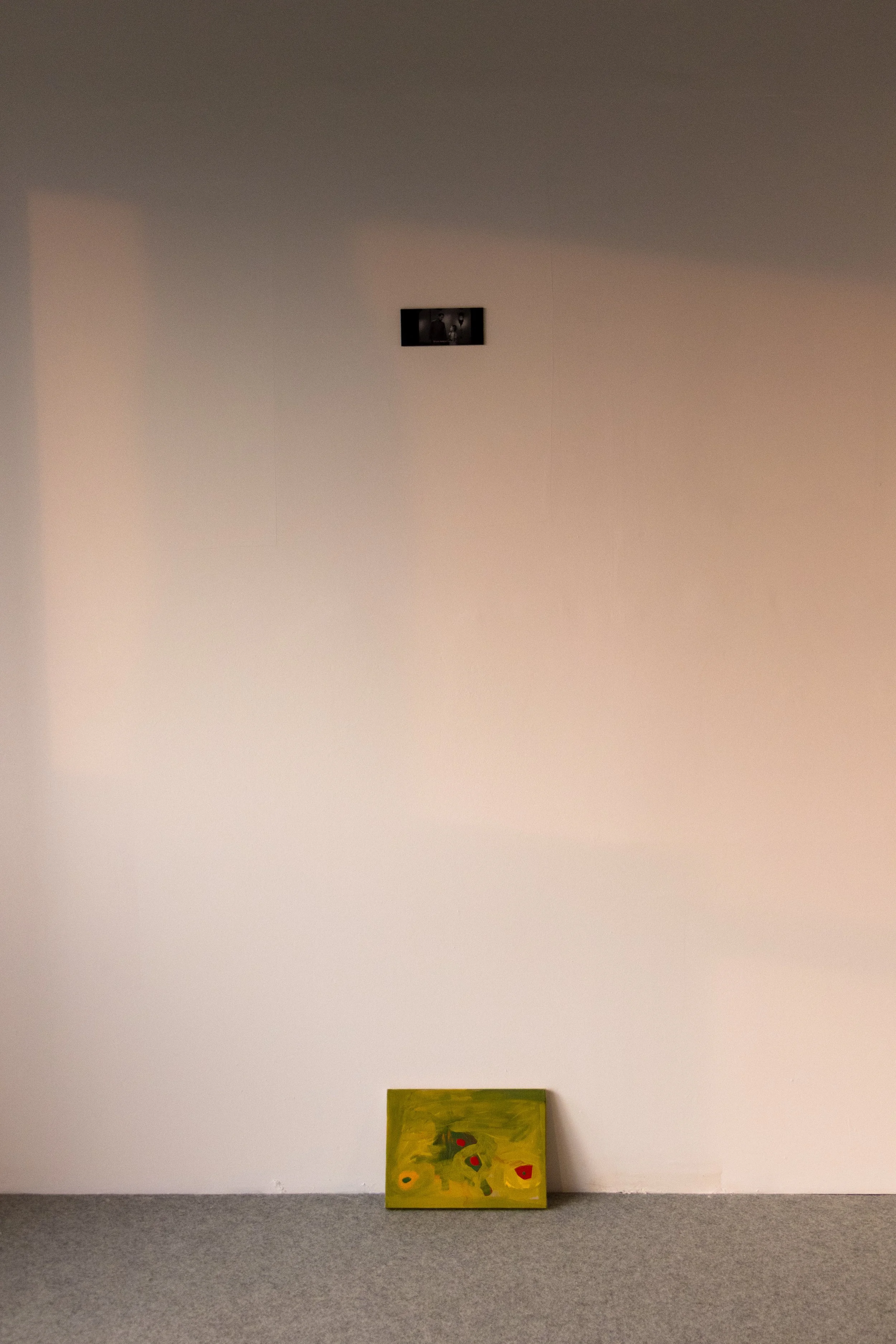
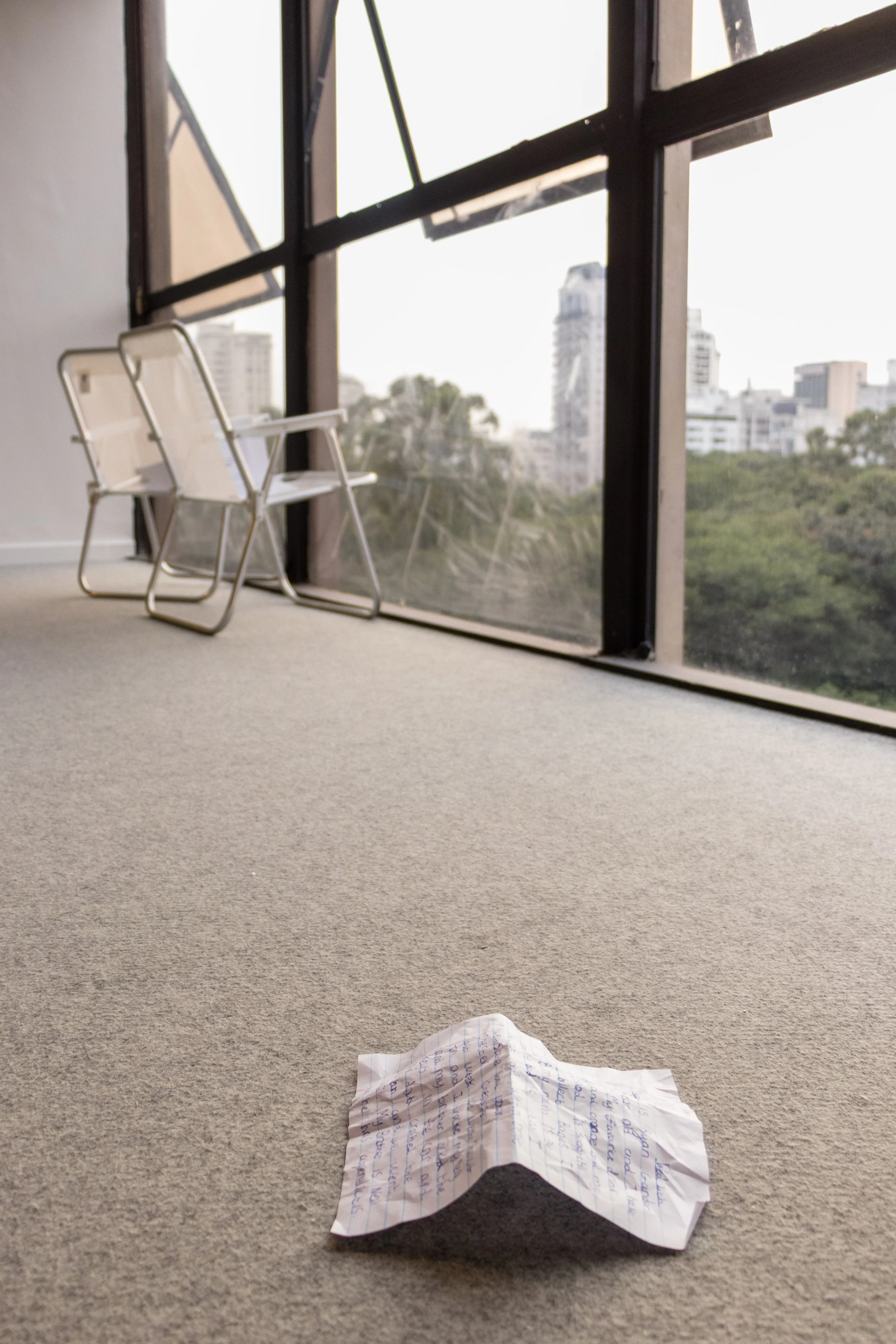
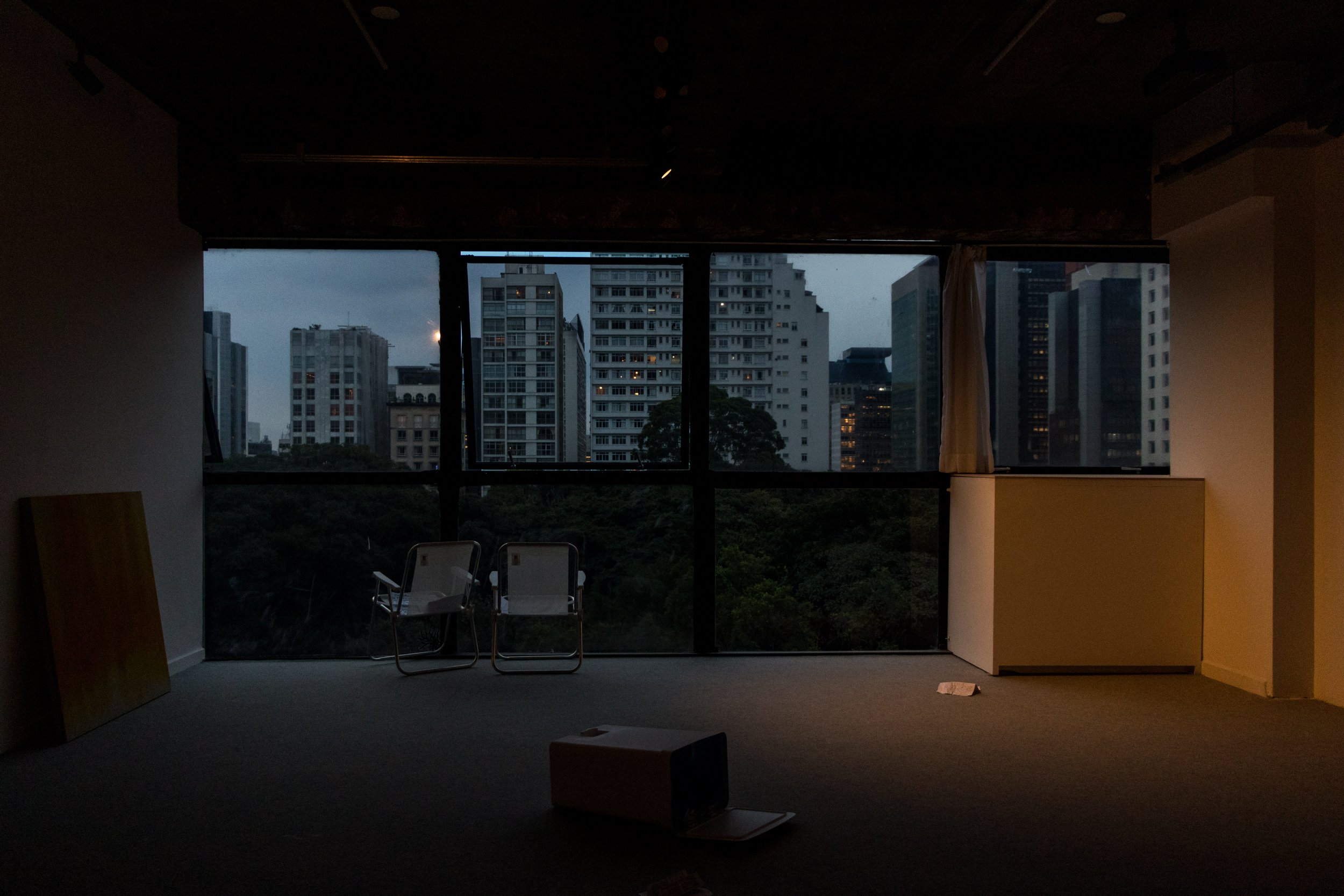
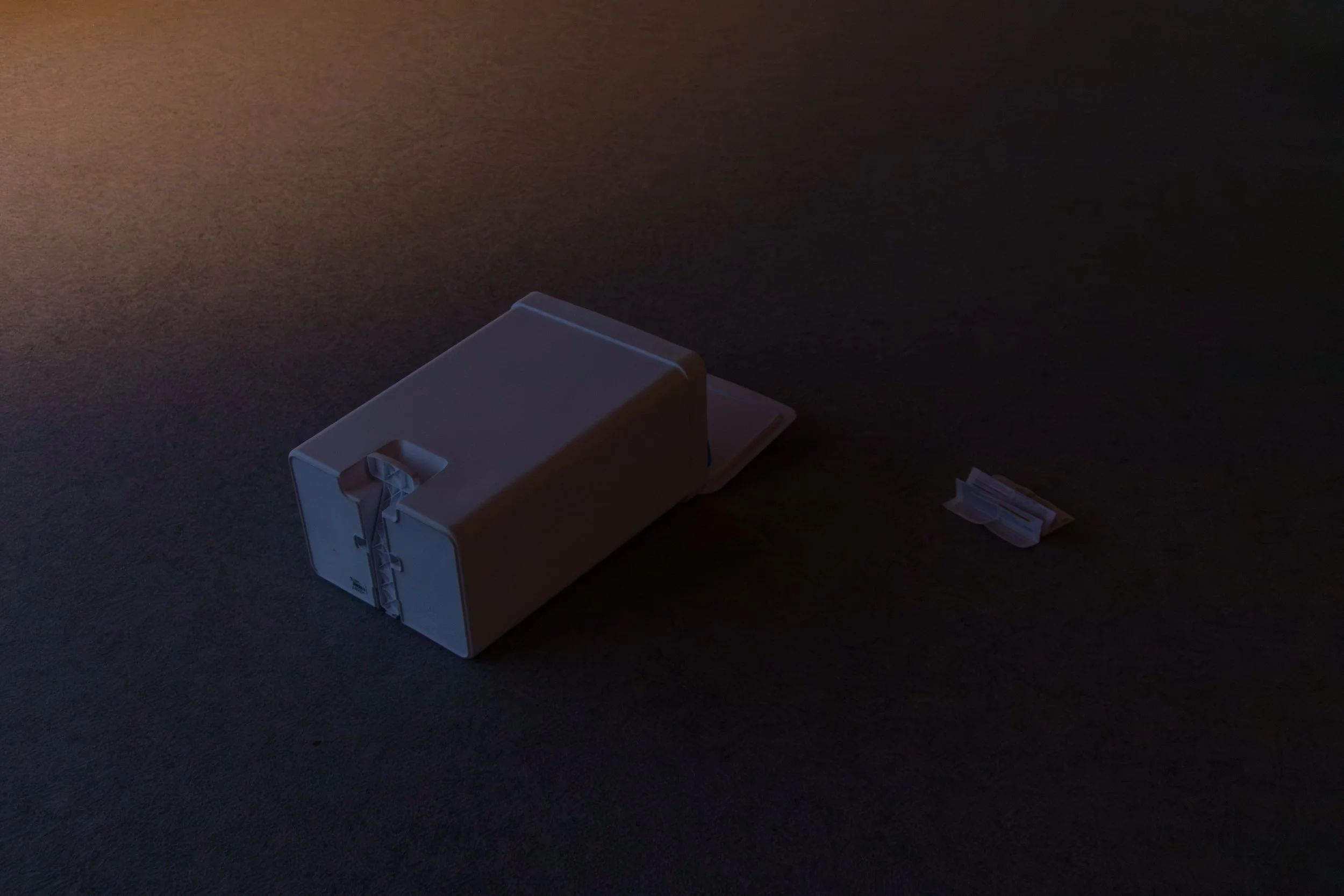
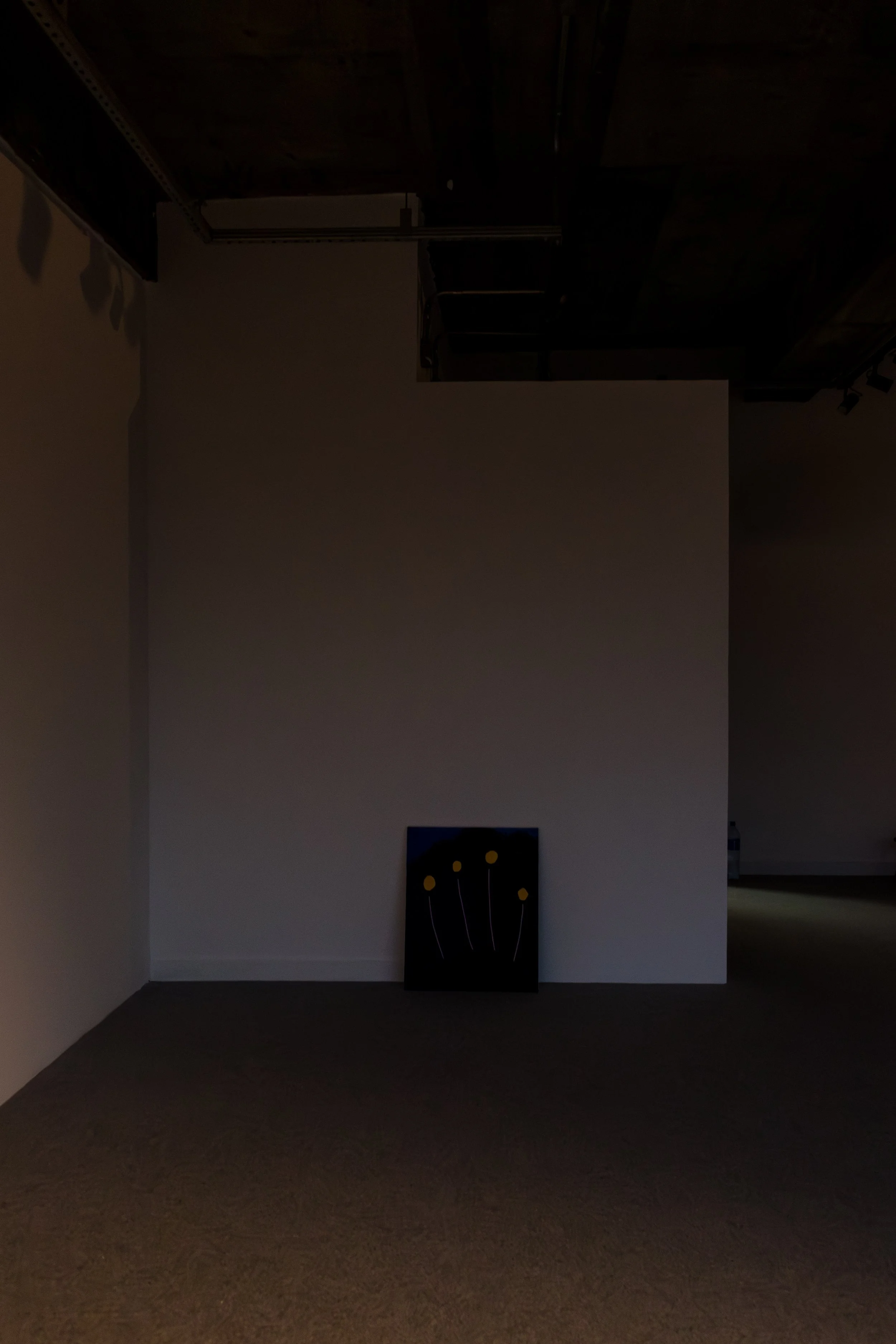
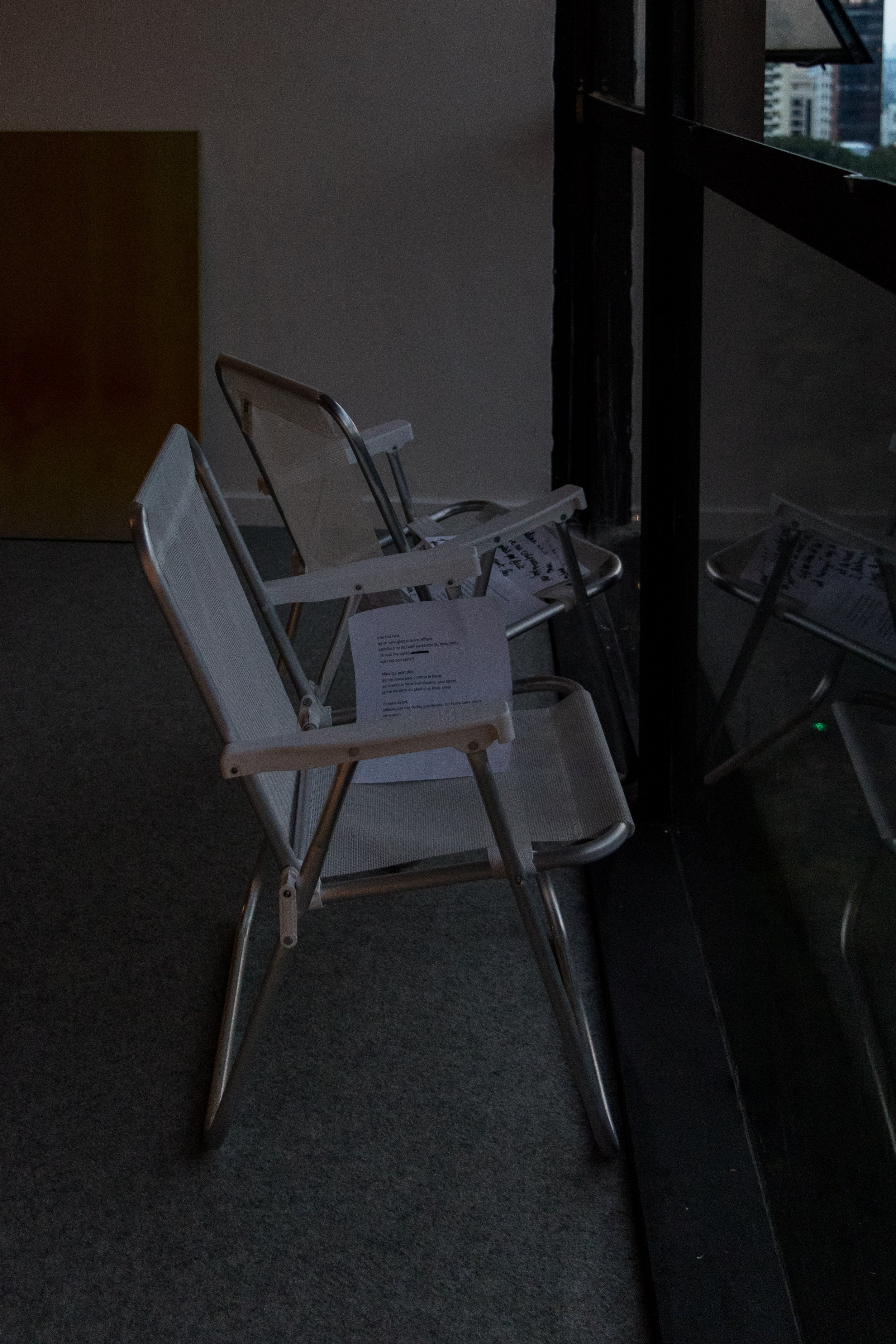
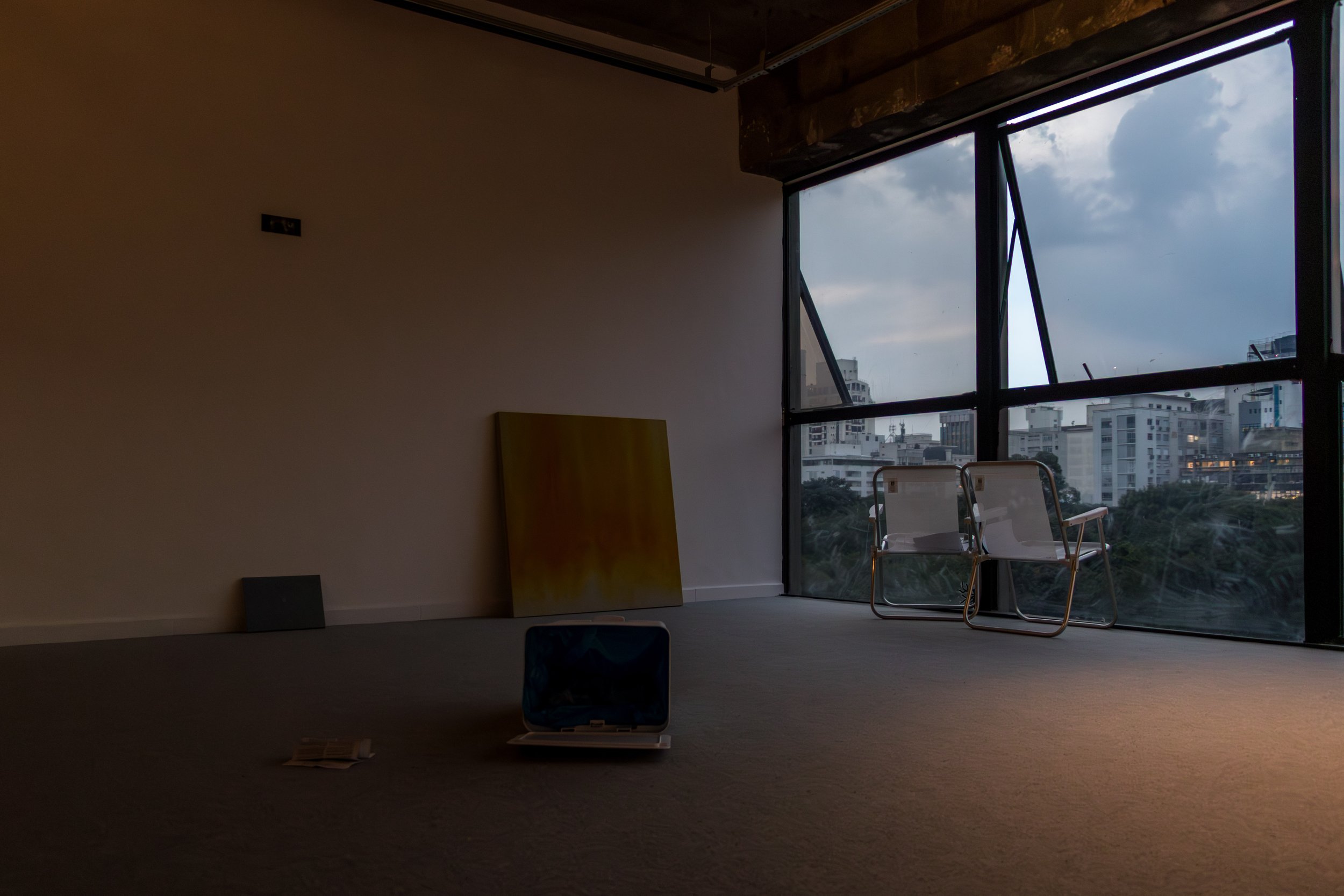
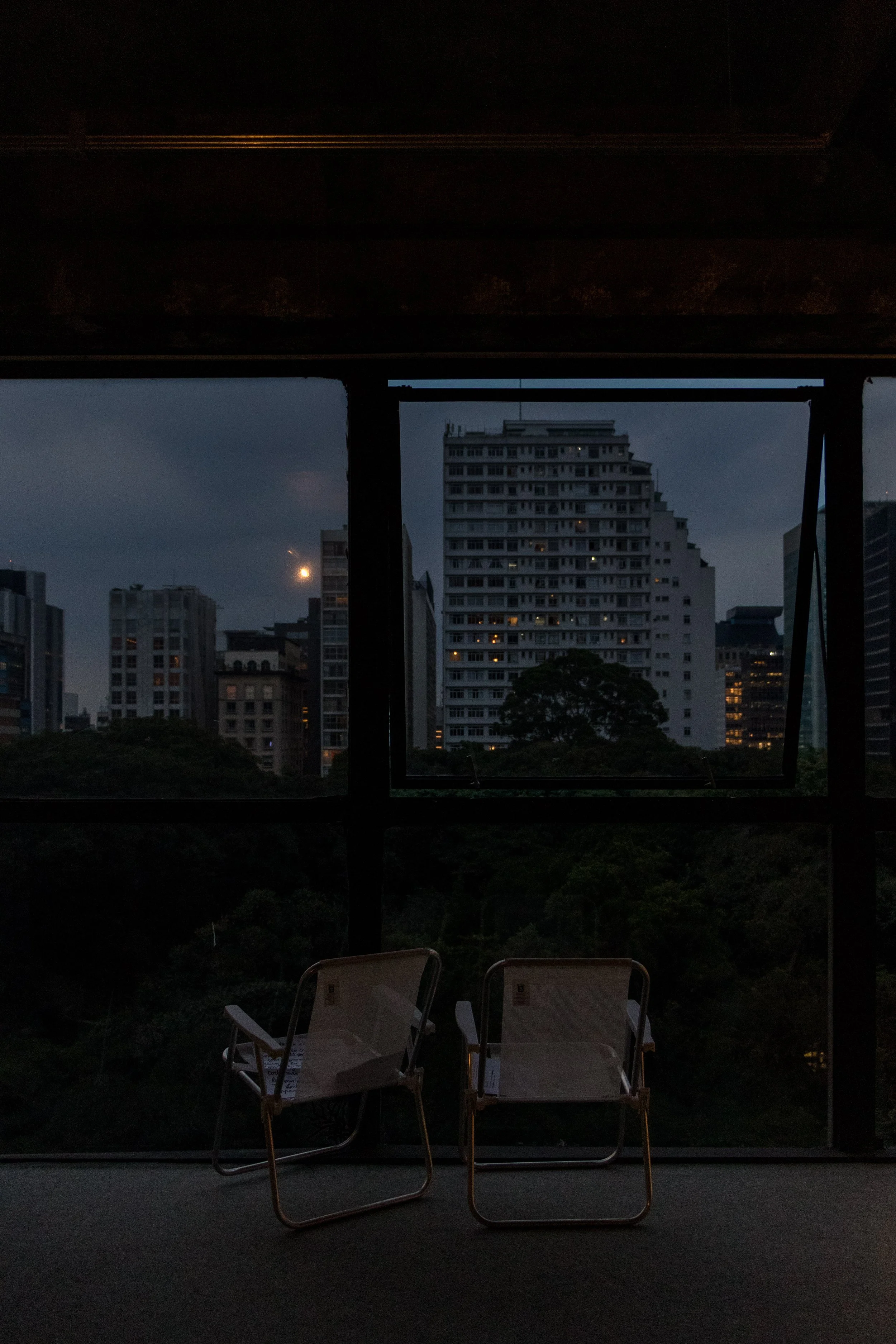
* 15.04—15.05.26 * Almost Blue
* 15.04—15.05.26 * Almost Blue
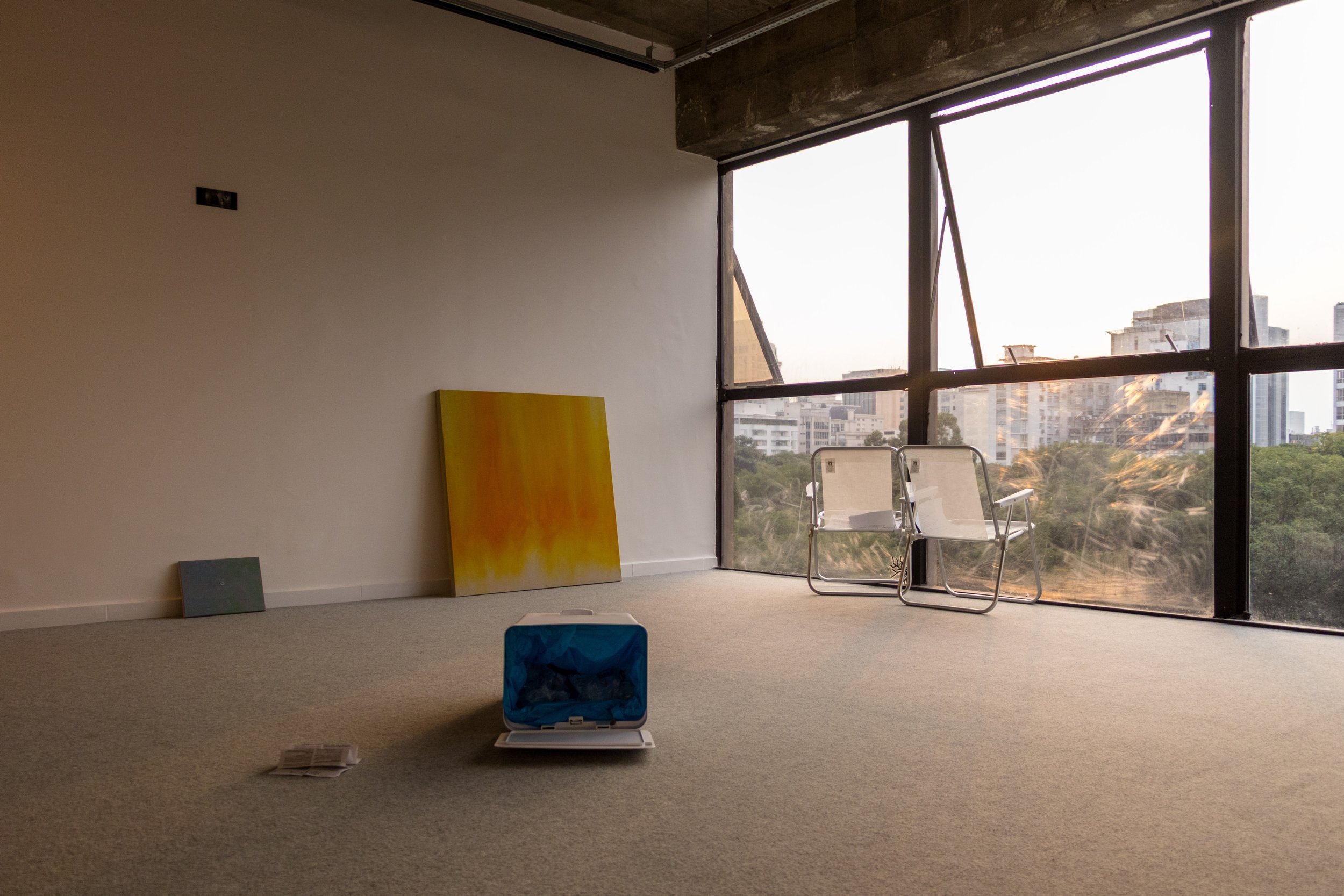
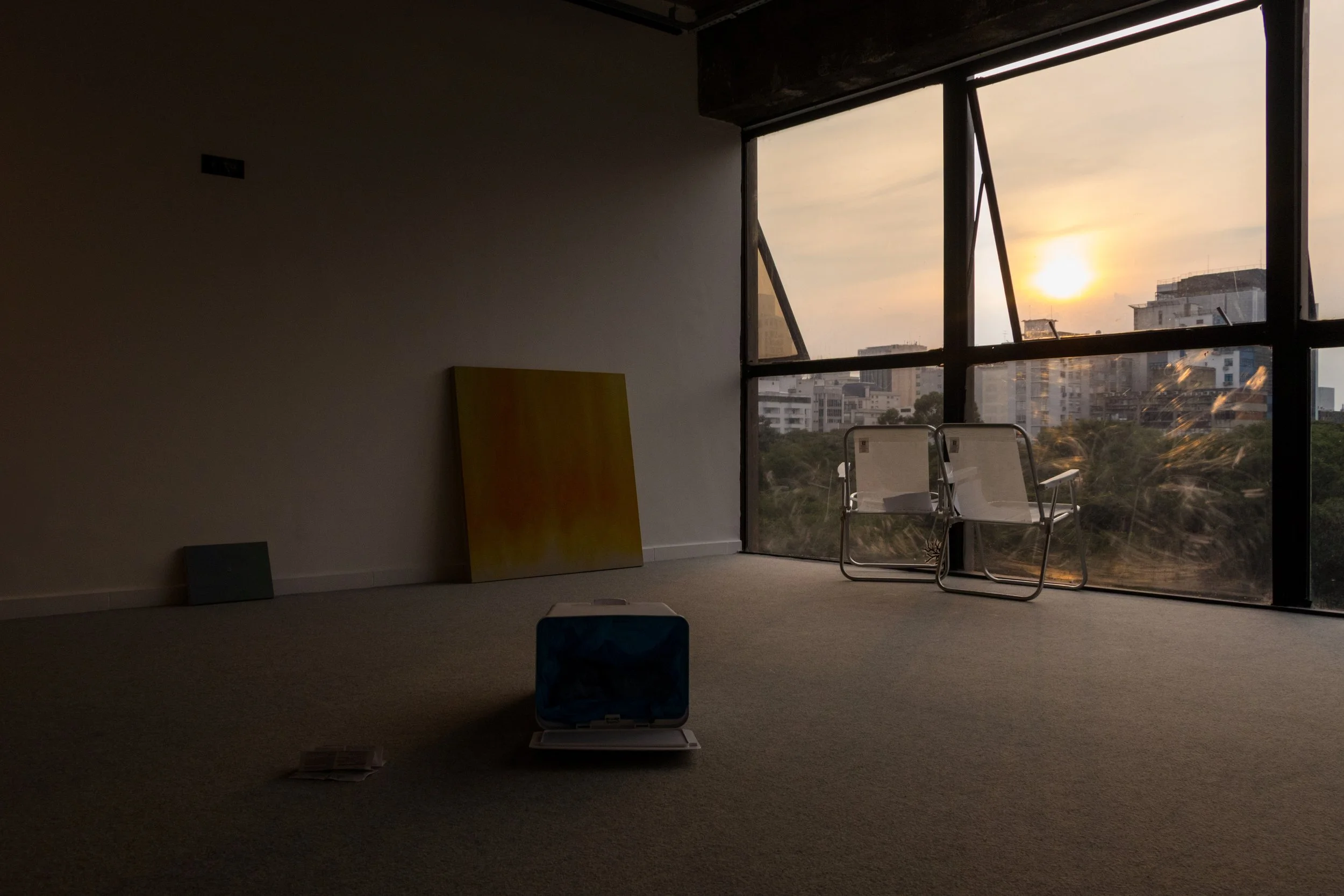
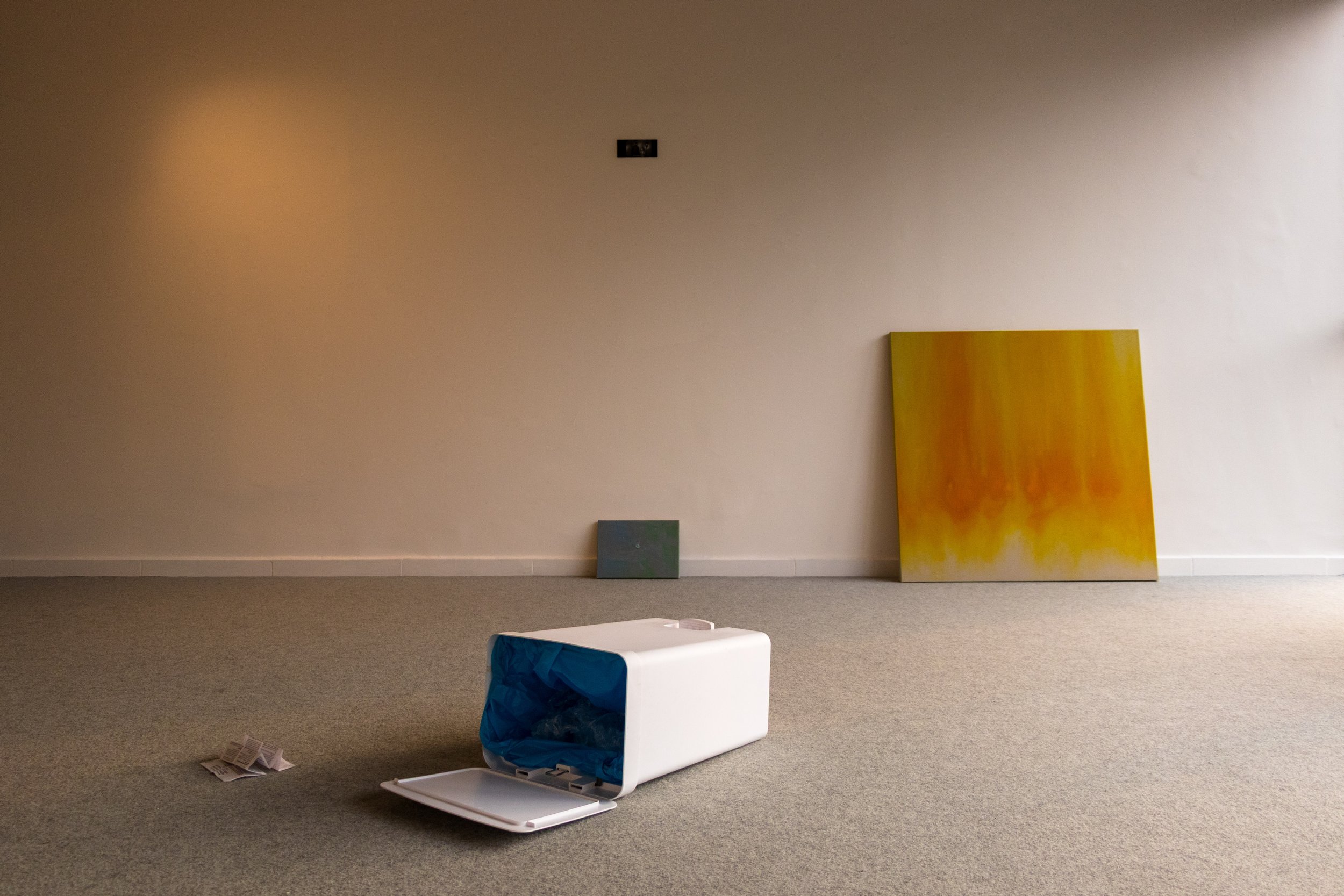
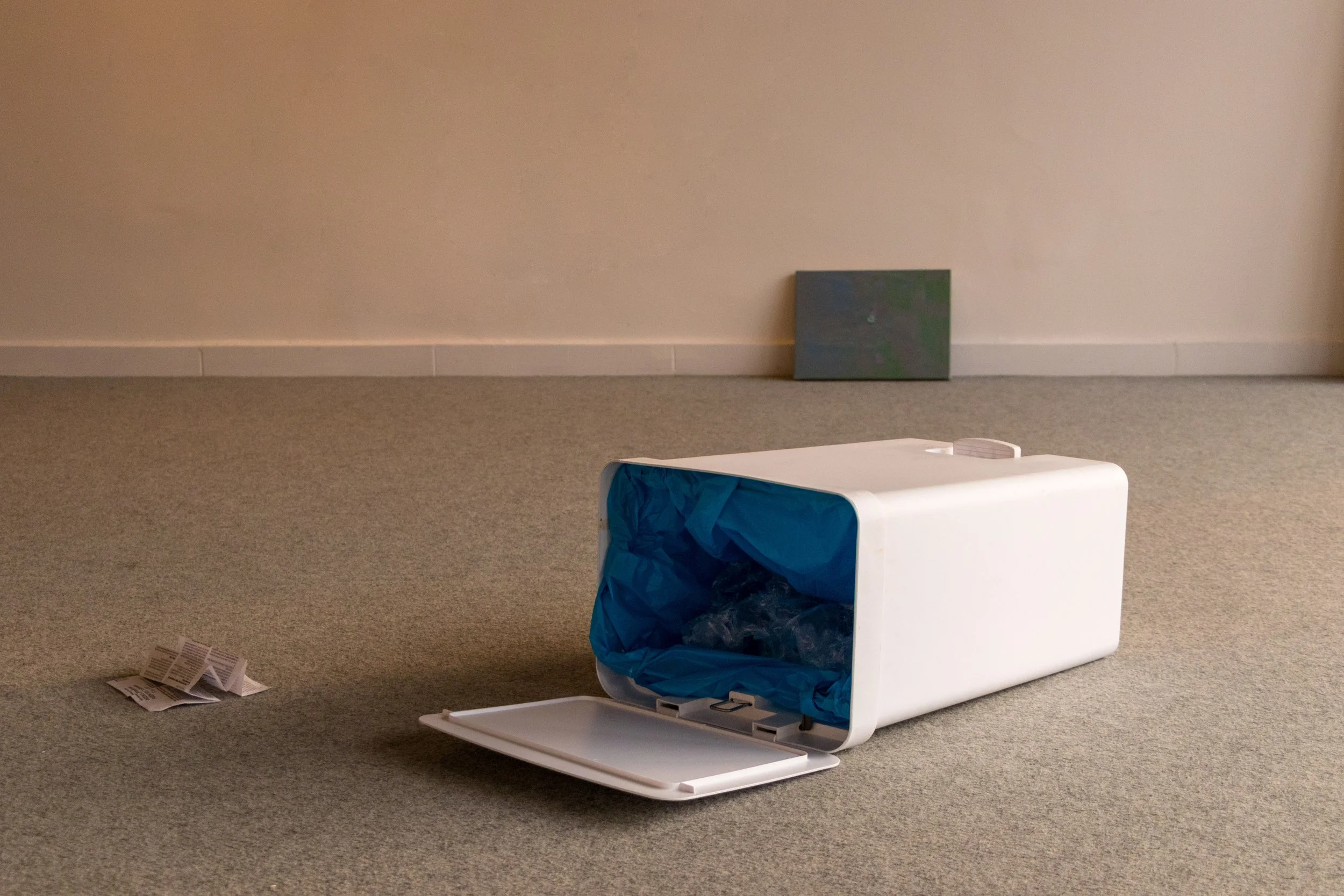
Após iniciar sua trajetória em março por diversas frentes em Milão, o projeto Almost Blue se desdobra em São Paulo a partir de de abril. Investigando "solidariedades precárias" e o conceito zapatista de pluriverso, a exposição propõe uma geografia da instabilidade. Através de obras e gestos dos artistas que participam, o projeto questiona que formas de saber emergem quando a recusa não é um desvio, mas parte do método?
Com curadoria de Manos @manos.manos.mano, a programação ocupa a cidade em uma constelação de espaços, incluindo a Biblioteca da Unesp, os ateliês de Maíra Dietrich e Thomaz Rosa, no Edifício Lasar Segall, e orlando, apresentando trabalhos de artistas como Rina Oh, Yue Yuan, Andrea Gallotti, Giorgio Cellini, Maíra Dietrich, Stefano De Paolis, Camila Oliveira Fairclough, Rébecca Fairclough Van der Meulen, Alessandro Manfrin, Francesca Brugola, Jaehun Kim, Daniel Lannes, Beatrice Zito e Davide Bertocchi.
O projeto conclui no orlando entre os dias 15 de abril
e 15 de maio, com obras de Ryan Gander, Marco Sgarbossa, Thomaz Rosa, Rébecca Fairclough Van
der Meulen, A.i.f. e Victor Unwin.
___
almost blue
Artistas: Ryan Gander, Marco Sgarbossa Thomaz Rosa Rébecca Fairclough Van der Meulen, A.i.f. Victor Unwin
Curadoria: Manos
Abertura: 15.04.2026, quarta, das 17h às 21h
Visitação: até 15.05.2026
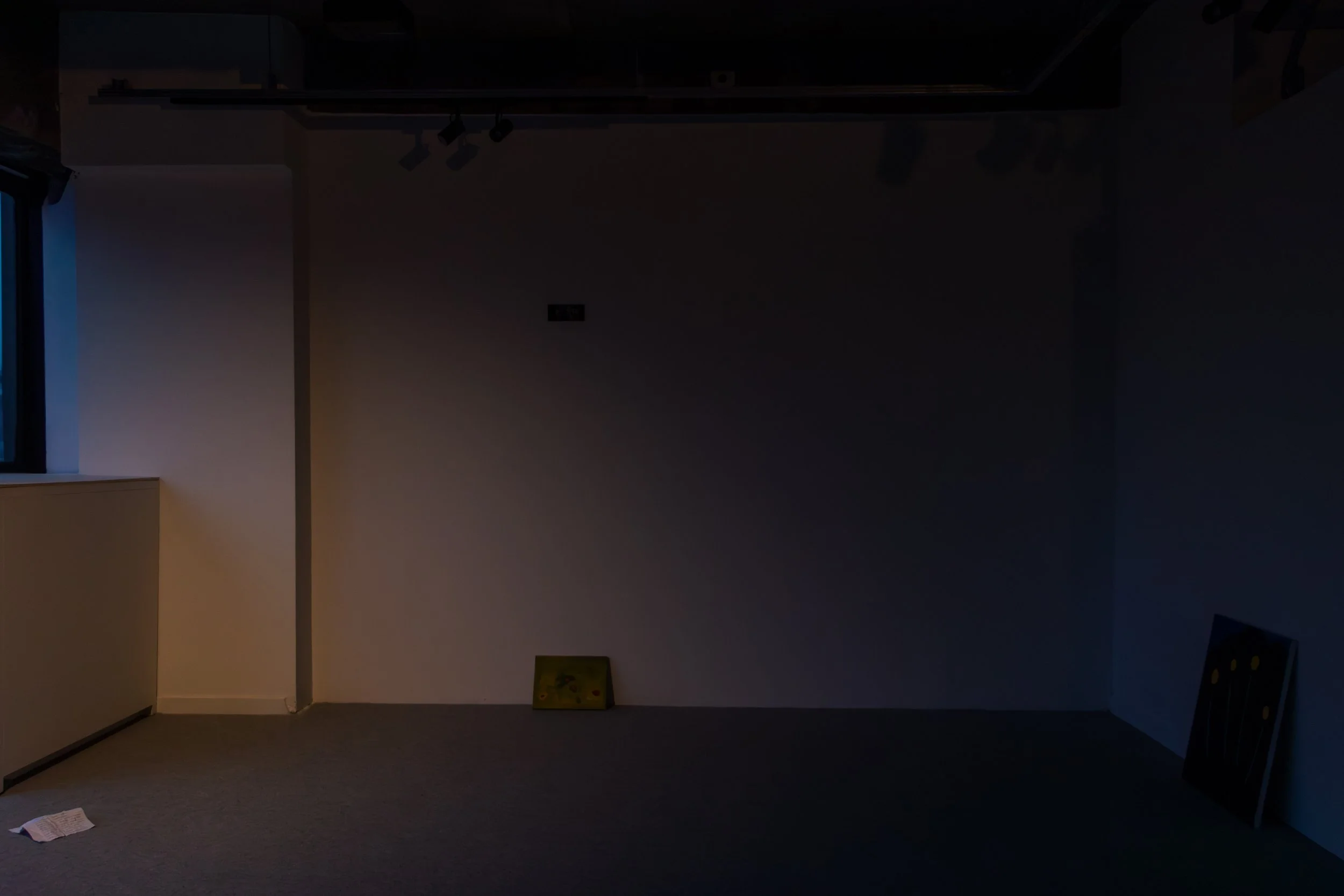
Almost blue
by Manos
@manos.manos.manos
Formam uma constelação de tensões que questiona a própria natureza de como nos reunimos, falamos, compartilhamos e permanecemos em silêncio.
A linha é uma curva — um desvio suave — que nos move juntos de untitleds a self-titleds, de gestos anônimos a posições autorais, sem jamais se estabilizar completamente. Ela desenha uma geografia da instabilidade.
O projeto se desenvolve dentro da noção zapatista de um pluriverso — um mundo feito de muitos mundos — e através de uma série de hipóteses imaginadas que complicam qualquer narrativa linear ou singular. Ele explora epistemologias e modos de vida que interrompem o universalismo, engajando-se com diferentes formas de se relacionar com o conhecimento, com a existência e com as infraestruturas invisíveis de relação que sustentam comunidades — humanas e mais-que-humanas — juntas.
À medida que gestos literários começam a ressoar ao longo desta investigação: em O Alienista, de Machado de Assis, a promessa da classificação científica desliza para o absurdo, revelando a instabilidade dos próprios sistemas que pretendem gerir a vida. Esses ecos não estão fora da obra; habitam o seu interior, tornando-se parte da maneira como as questões se desdobram — como em Cabala Bianca, de Gian Dauli, onde a linguagem se fratura em padrões recursivos e a narrativa cede lugar a uma lógica espectral: não fechamento, mas reverberação. Como o próprio projeto, isso sugere que o saber pode ser instável, ilegível e compartilhado sem propriedade.
Ao enfatizar o buen vivir (bem viver coletivo) e a interdependência comunitária, o projeto convida a práticas porosas, situadas e atentas. Valoriza a interconexão em vez do isolamento e busca esboçar formas de atenção que atravessam espécies, agências
e matéria; torna-se possível imaginar — ele gostaria de se mover — como uma paisagem atravessada por signos, sem hierarquia: um terreno contínuo de gestos, rastros, interrupções e afinidades.
Que tipos de solidariedade são possíveis quando o consenso não é dado?
Que formas de saber emergem quando a recusa não
é um desvio, mas parte do método?